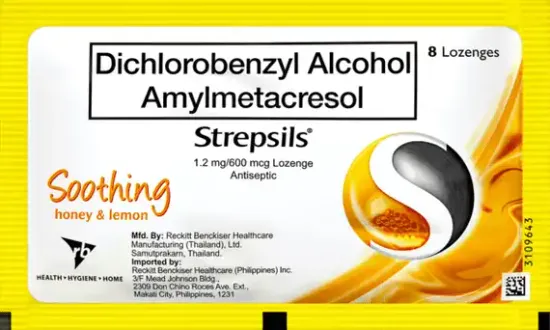
Strepsils® Cool Sensation 8s Lozenges
For Mild Sore Throat Relief


.webp)
When it comes to dealing with a cough with phlegm, it is not enough to just focus on its symptoms. It is important to also address any underlying conditions that may be causing it and try to actively reduce your risk through lifestyle changes.
You probably already know how disruptive a cough with phlegm can be to your day-to-day activities. But did you know it can also be a sign of more serious medical conditions? This is why it’s important to know not only how to treat it, but also what causes it so you can prevent it from happening in the first place.
Also known as a productive or chesty cough, a cough with phlegm commonly develops because of other medical conditions that trigger excess mucus production, which the body then tries to expel by coughing. Examples of which include:
| In addition to medical conditions, smoking is also known to cause coughing with phlegm1. It does this by causing irritation to the lungs and airways, which, in turn, triggers long-term excess mucus production and leads to a condition known as smoker’s cough. |
For more information on the causes, symptoms, and treatments for cough with phlegm and dry cough, please visit the Cough: Symptoms, Causes, and Treatment Options page.
An effective cough with phlegm treatment plan combines medication and lifestyle changes.
Taking an over-the-counter medicine for cough with phlegm is a good place to start when it comes to treating the condition. For cough with phlegm, you can take Ambroxol Hydrochloride (Strepsils) Chesty Cough as an option. It is proven effective against symptoms of cough with phlegm2 thanks to its ability to:
Need to stock up on Ambroxol Hydrochloride (Strepsils) Chesty Cough? Shop now at Reckitt Health and Beauty Store on Lazada and Reckitt Health Official on Shopee or find out more about our products.
| It is also important to take medication and get proper treatment for any underlying conditions that are causing your cough with phlegm. Consult your doctor for more information. |
In addition to taking medication, making the following lifestyle changes may help with your recovery:
When it comes to treating a chesty cough, it is not enough to just focus on the symptoms. You need to also address any underlying conditions that may be causing it and actively minimize your risk for it through lifestyle changes.
If your symptoms persist or worsen, please talk to a healthcare professional immediately.